Official FTSI Documents
The following publications contain the official rules and regulations governing table soccer competitions, administration, and disciplinary matters within FTSI. These documents serve as the authoritative reference for all affiliated members, clubs, officials, and players.
📙 FTSI Disciplinary Rules
📗 FTSI Rules of Play : हिंदी / Hindi
📘 ITSF Rules of Play Version 2.0, December 2023 : English
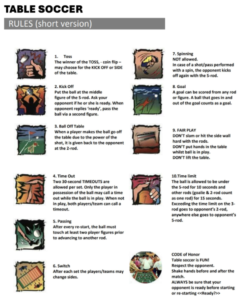
First Game Guide
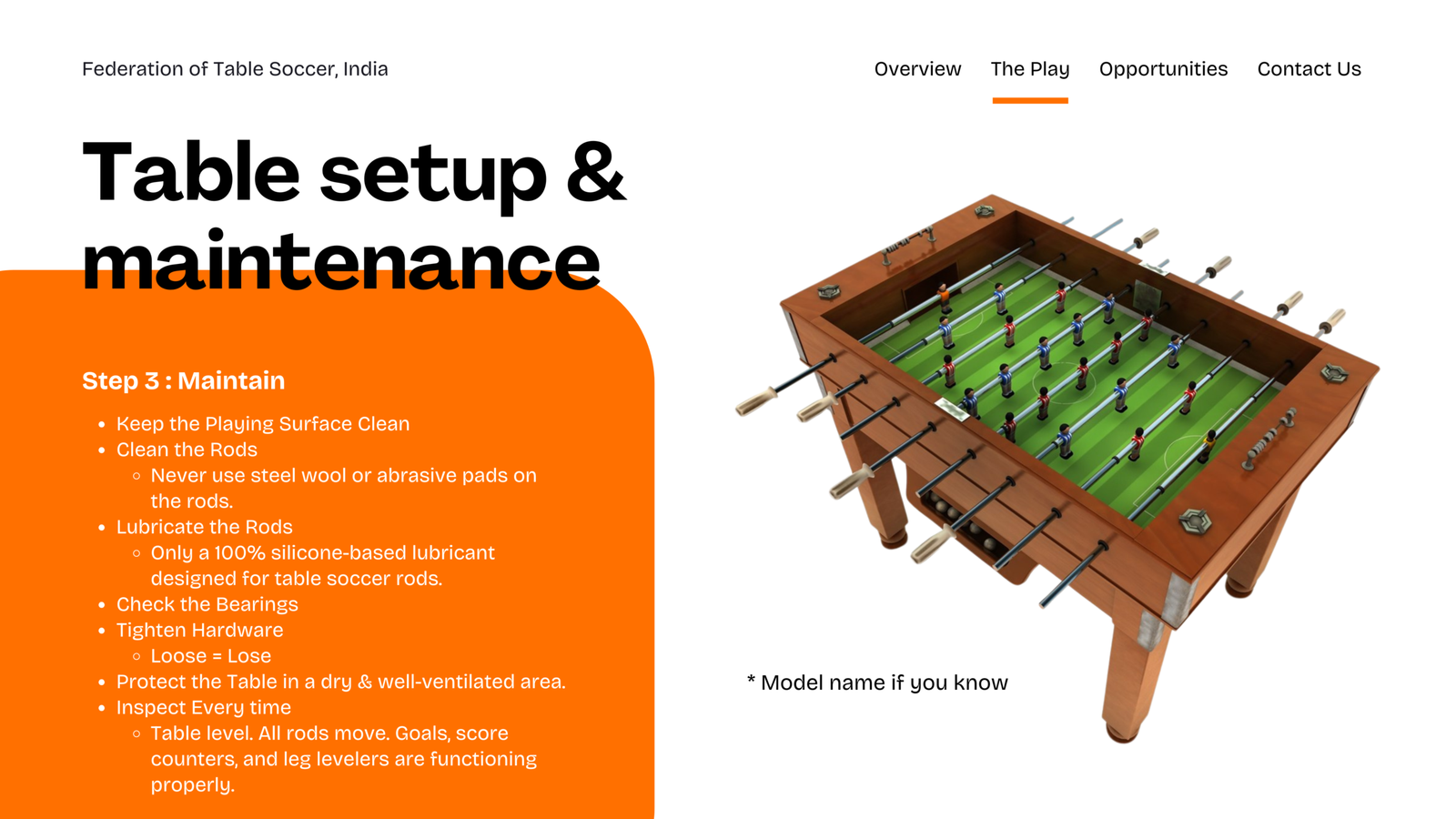
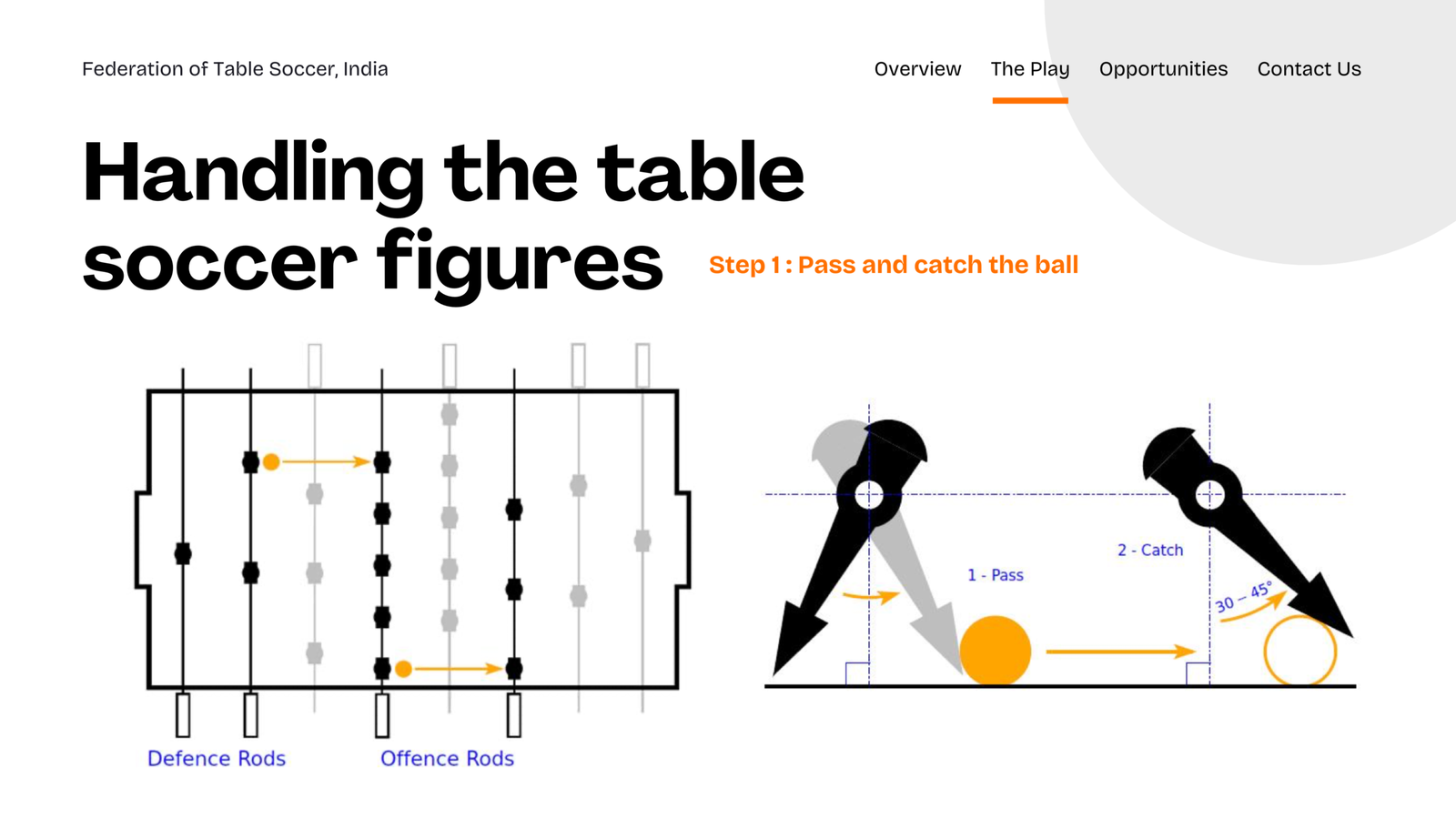
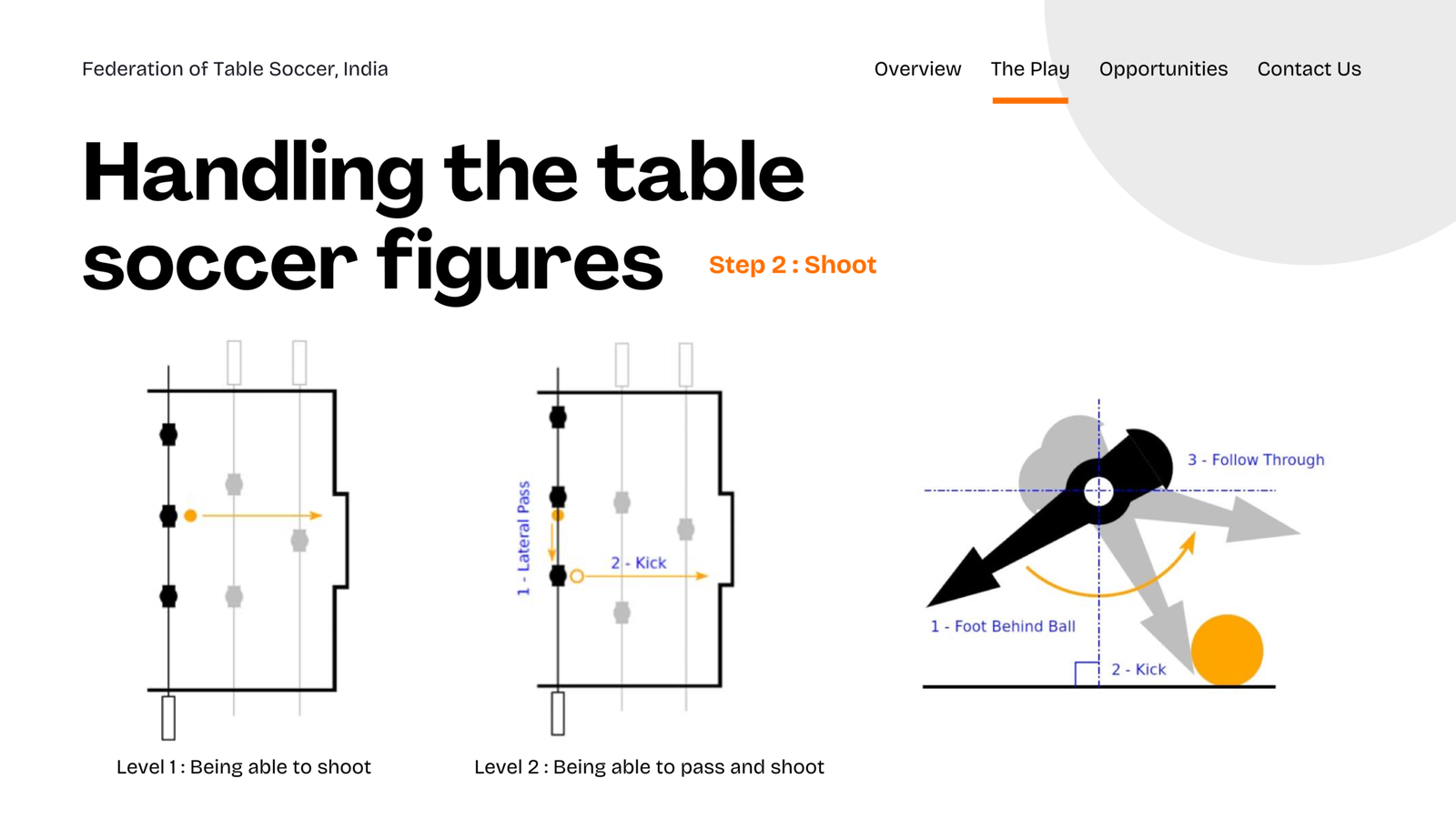
The illustrations featured in this section are adapted from the FTSI First Game Guide, a training presentation developed by the Federation of Table Soccer, India (FTSI) for introductory sessions. The guide is designed to help new players learn the fundamentals of table soccer through simple explanations and visual demonstrations.
This section is intended for educational purposes only and provides a simplified overview for beginners. Official rules and regulations are governed by the International Table Soccer Federation (ITSF). The content may be updated periodically to reflect future amendments to the official ITSF rules.
Know the Table
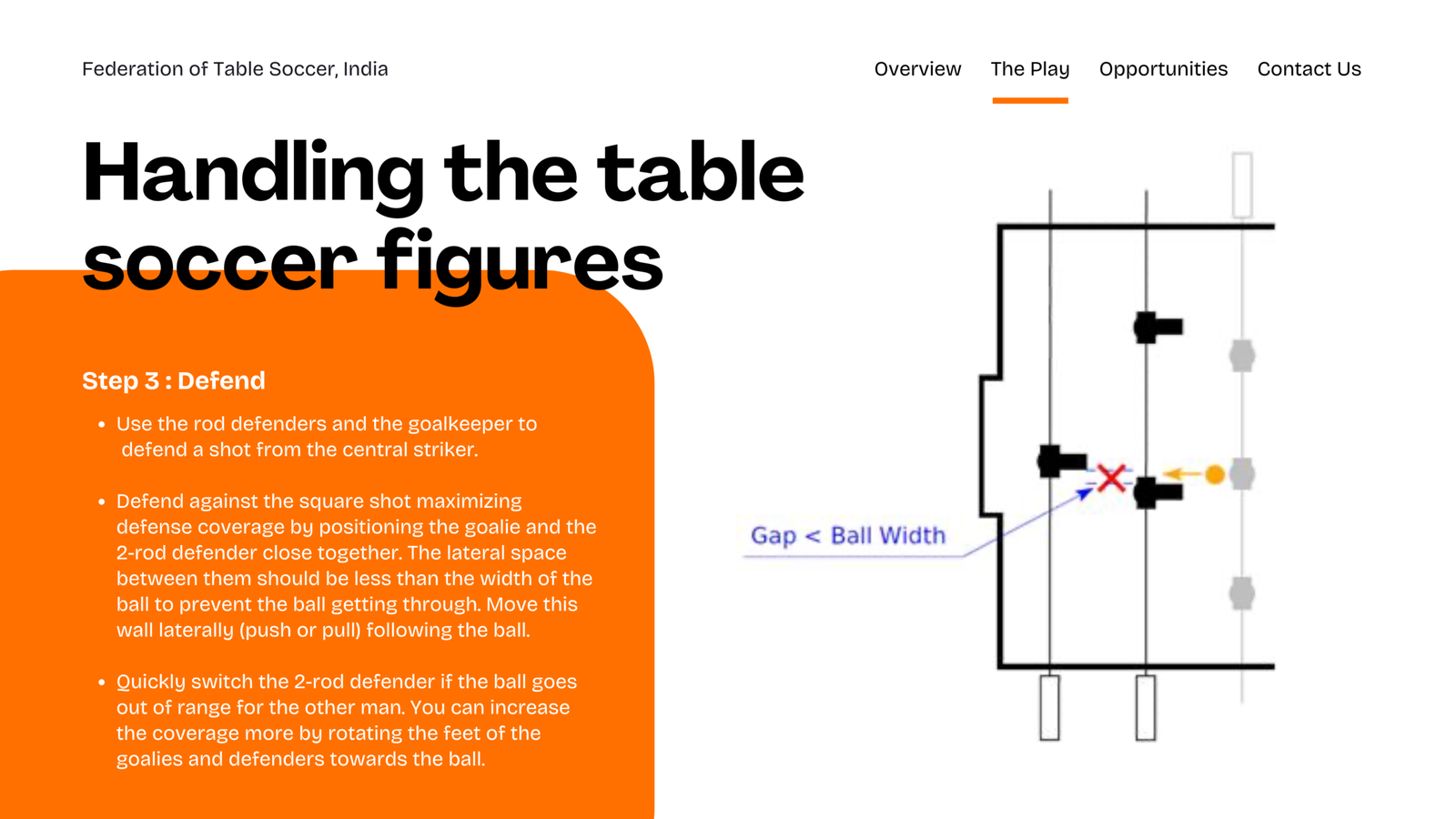
The layout of player positions and their roles is crucial for both offensive and defensive strategies. Here’s a breakdown of the typical player positions and their roles:
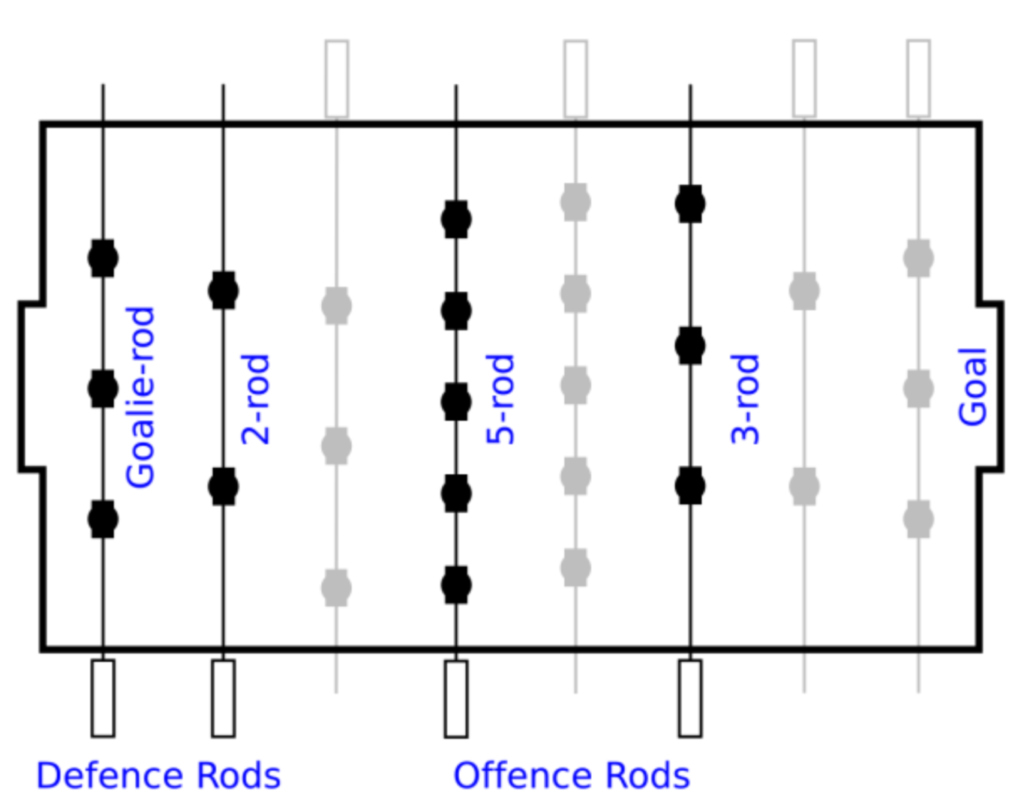
- Goalkeeper (1 Rod)
- Position: The rod closest to the goal at each end of the table.
- Role: Defend the goal area by blocking incoming shots. The goalkeeper can move horizontally across the goal to cover the entire goal line. This position is crucial for preventing goals and often involves quick reflexes and precise movements.
- Defenders (1 Rod)
- Position: Located just in front of the goalkeeper rod.
- Role: Provide additional defense by blocking and intercepting the ball. Defenders are responsible for preventing the ball from reaching the goal area and should be adept at positioning and timing to stop attacks from the opponent’s forwards.
- Midfielders (2 Rods)
- Position: Positioned between the defenders and forwards.
- Role: Serve as a link between the defense and attack. Midfielders are versatile and crucial for both offensive plays and defensive support. They often control the ball and make strategic passes to forwards, while also helping to regain possession and block the opponent’s attacks.
- Forwards (2 Rods)
- Position: Located at the front of the table, closest to the opponent’s goal.
- Role: Focus on attacking and scoring goals. Forwards are responsible for positioning themselves effectively to receive passes and take shots on goal. They should be skilled in striking the ball accurately and quickly to maximize scoring opportunities.
Additional Roles and Strategies
- Goalie Switching: In some variations or advanced play, teams might switch goalies between games or even during the game to adjust strategies.
- Defensive Formation: Players may adjust their formation depending on the game situation. For example, a more defensive stance might involve positioning more defenders closer to the goal, while an aggressive formation might place more emphasis on forwards.
- Offensive Strategies: Midfielders and forwards can work together to create passing plays and set up scoring opportunities. Coordinated movements and quick decision-making are key to breaking through the opponent’s defense.
- Defensive Strategies: Defenders and midfielders need to communicate effectively to cover the entire field and anticipate the opponent’s plays. Switching between blocking and intercepting can help in neutralizing the opponent’s attacks.
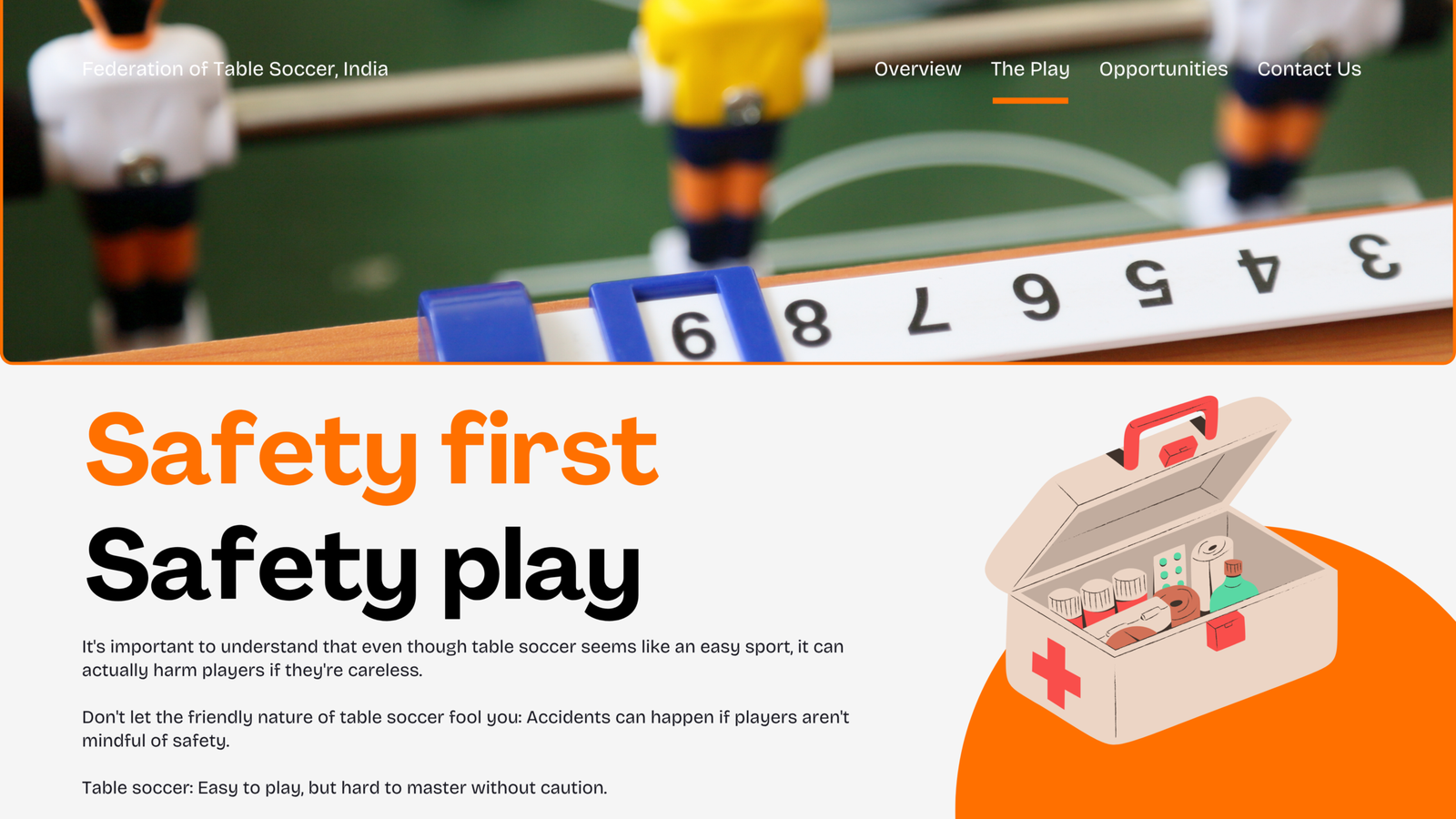
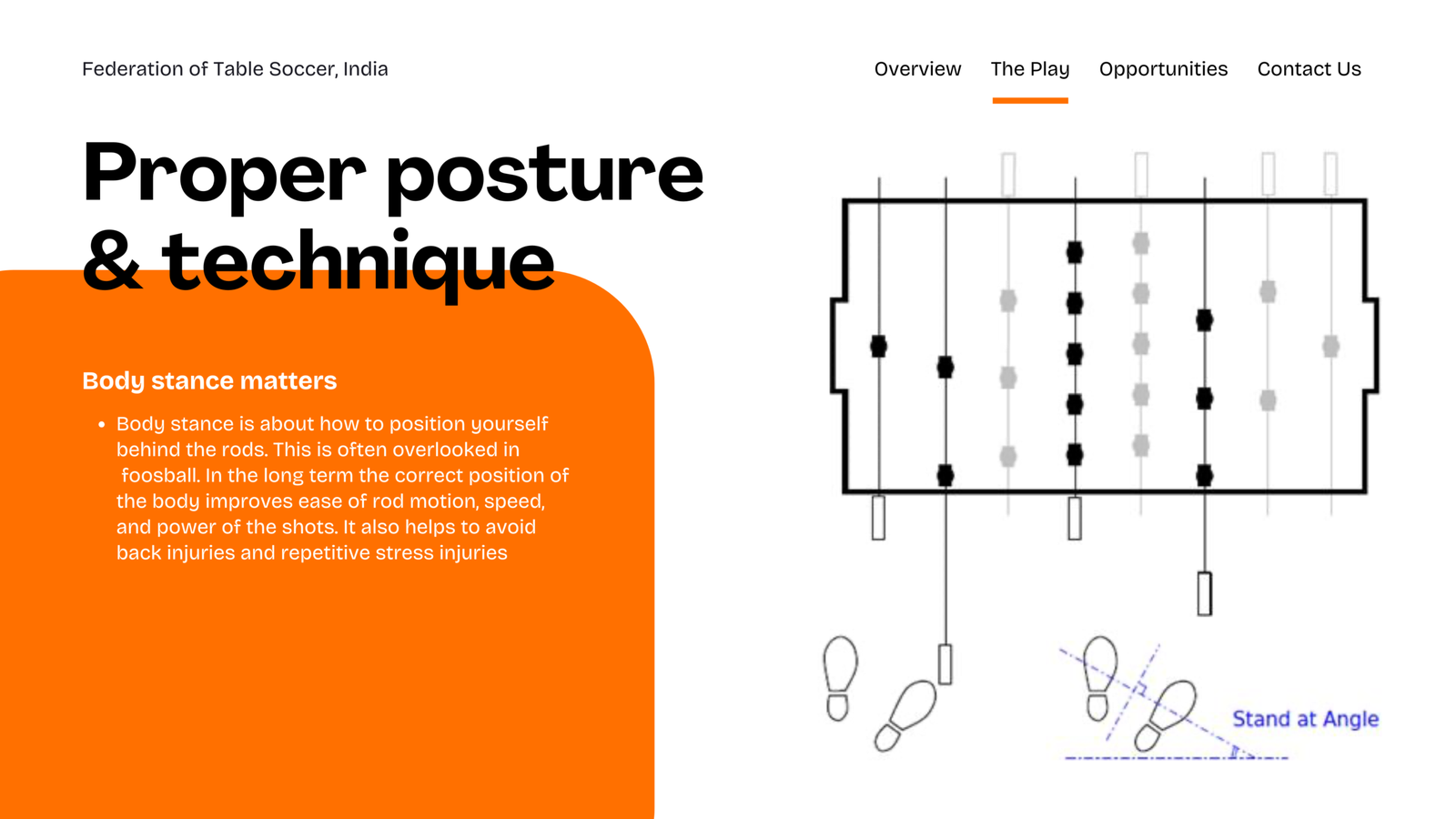
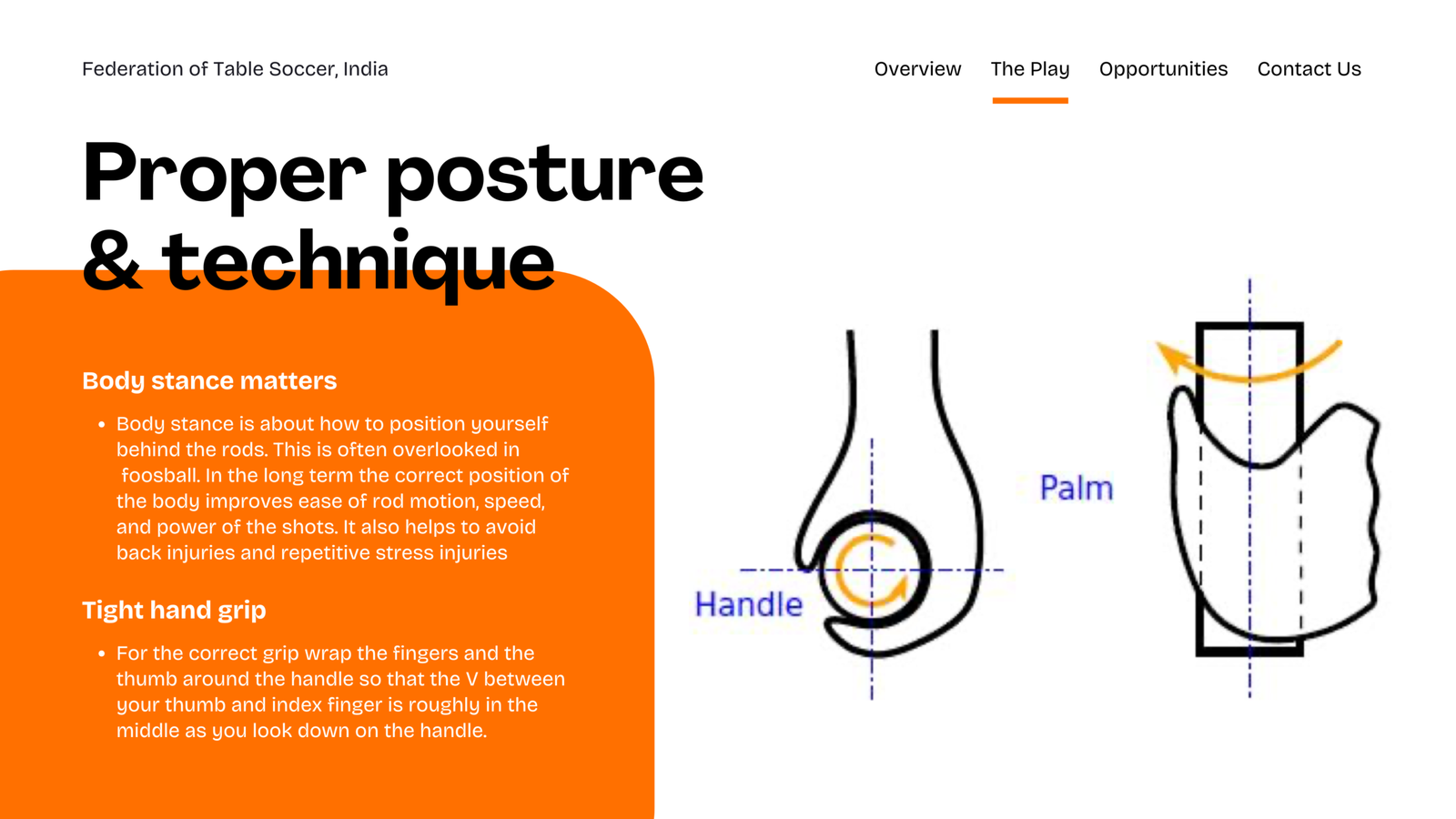
Safety First, Safety Play